
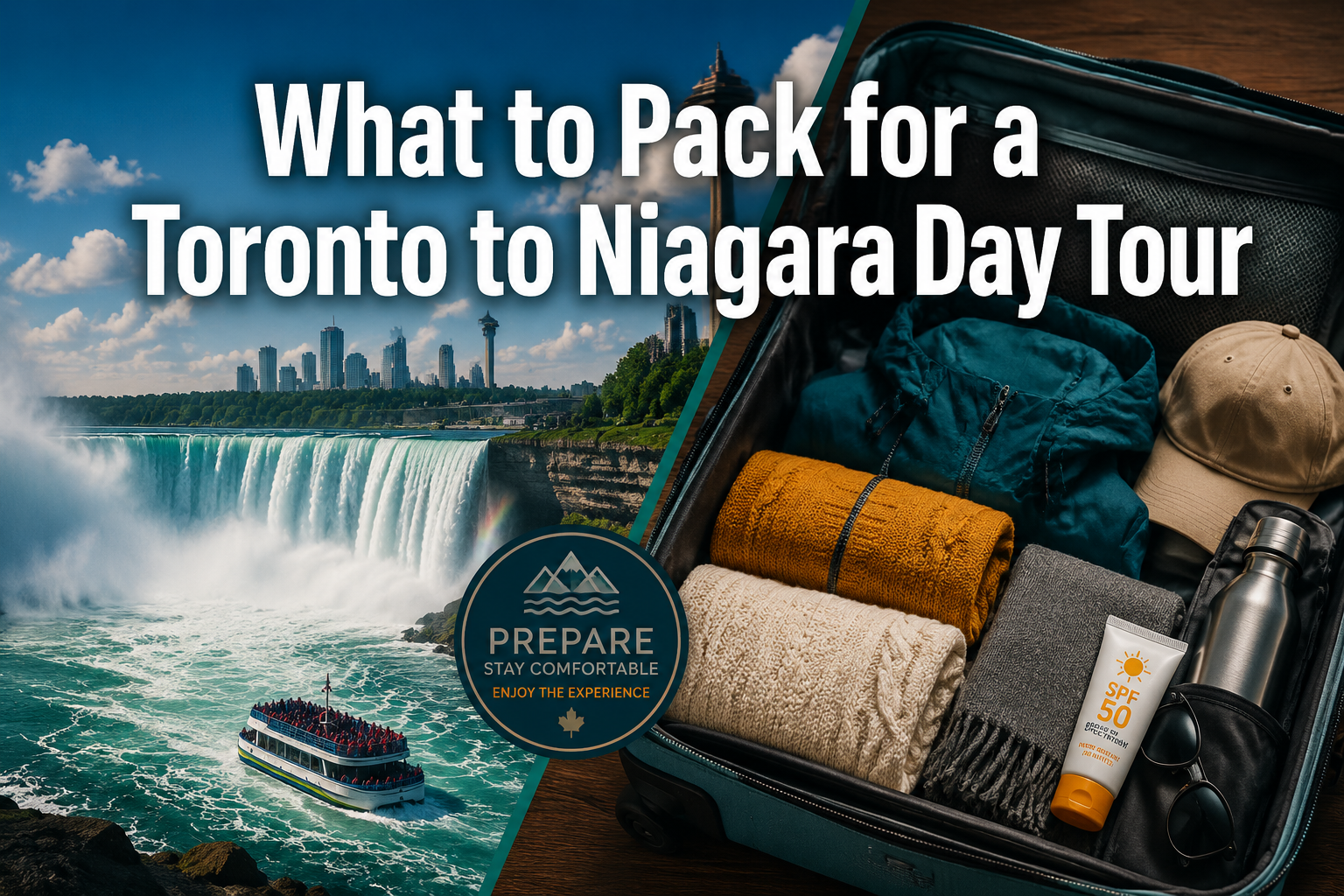
Over three million people travel from Toronto to Niagara Falls every year, yet a surprising number arrive underprepared — soaked by mist in cotton sneakers or shivering through a January ice-wine tour in a light jacket. Knowing exactly what to pack for a Toronto to Niagara day tour is the difference between a memorable experience and a miserable one. This season-by-season checklist cuts through the guesswork so every traveler — first-timer or repeat visitor — shows up ready for whatever the day brings.
Key Takeaways
- Niagara Falls generates constant mist year-round, so waterproof footwear and a poncho or rain jacket are non-negotiable in every season.
- Layering is the single most effective packing strategy for spring and autumn, when temperatures can shift by 15°C in a single day.
- Summer visitors need strong sun protection and breathable fabrics; winter visitors need insulated, windproof outerwear and thermal base layers.
- A compact daypack keeps hands free and makes it easy to carry layers, snacks, and purchases throughout the day.
- Packing light but smart — rather than overpacking — makes the bus or tour coach experience far more comfortable.
Season-by-Season Packing Guide for Your Toronto to Niagara Day Tour
The corridor between Toronto and Niagara Falls sits in one of Canada’s most weather-variable regions. Temperatures range from -7°C (19°F) in deep winter to over 35°C (95°F) in a humid July heat wave [1]. Each season demands a genuinely different approach to clothing and gear. Before diving into the checklists, it helps to understand your itinerary. If you are still planning the structure of your day, the complete 1-day Niagara Falls itinerary from Toronto is a useful starting point.
Spring (March to May)
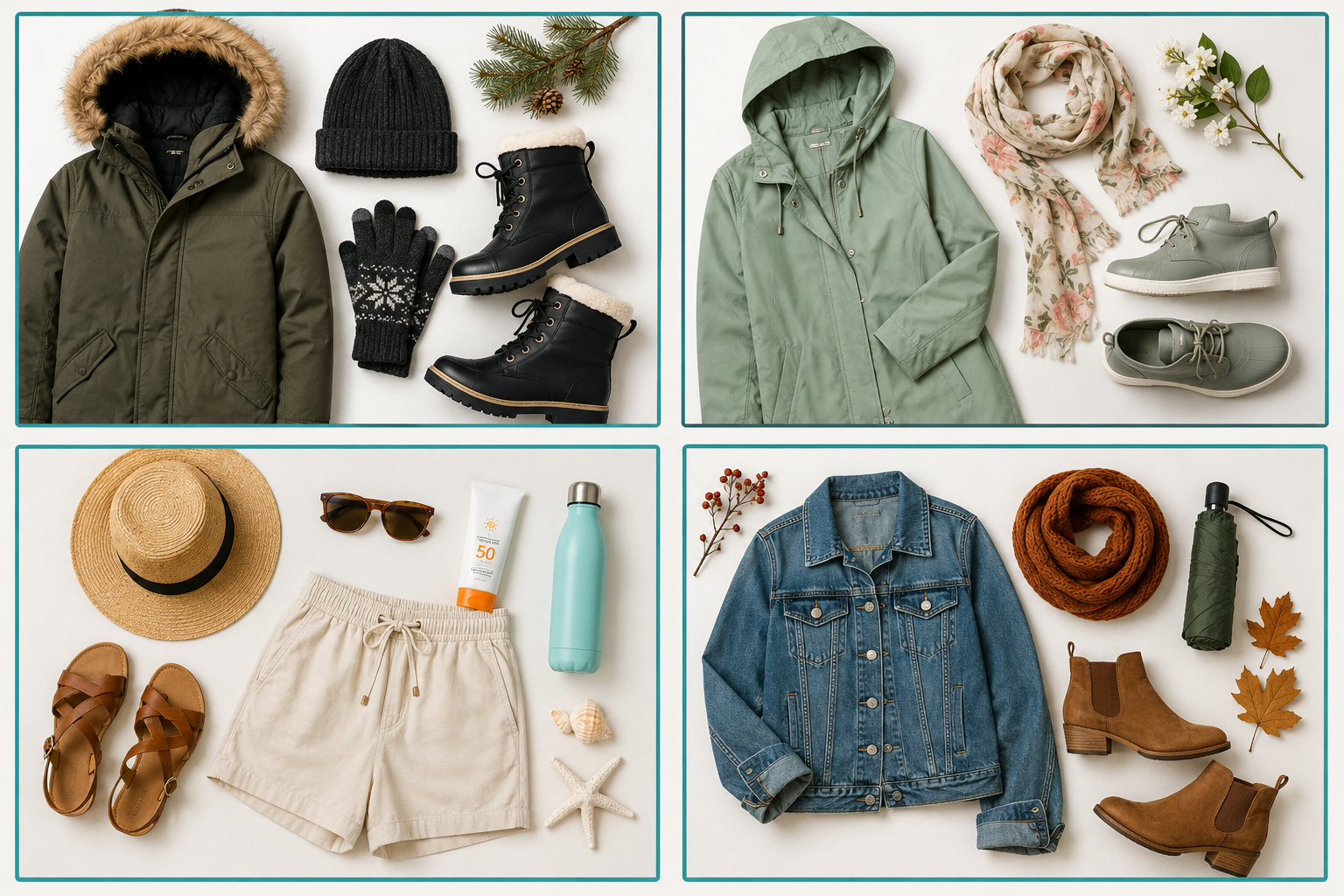
Spring is arguably the trickiest season to pack for. Mornings can hover near 5°C while afternoons climb to 18°C or 20°C, and showers are frequent [1]. Layering is the core strategy.
Spring Packing Checklist:
| Category | Recommended Items |
|---|---|
| Outerwear | Waterproof trench coat or rain jacket |
| Mid-layer | Light sweater or zip-up fleece |
| Base layer | Long-sleeve shirt or fitted tee |
| Bottoms | Jeans or chinos |
| Footwear | Waterproof walking shoes or ankle boots |
| Accessories | Compact umbrella, light scarf, small daypack |
The mist from the falls adds extra moisture to the air even on dry days, so waterproof footwear with non-slip soles is strongly recommended year-round [5]. A compact umbrella tucked into a daypack adds almost no weight but saves the day during a spring shower [4].
Summer (June to August)
Summer brings the highest visitor volumes and the most intense sun. Average temperatures sit around 26°C (79°F) but can exceed 35°C (95°F) with humidity [1]. Breathable fabrics are essential, and sun protection becomes a top priority.
Summer Packing Checklist:
| Category | Recommended Items |
|---|---|
| Clothing | Breathable cotton or linen T-shirts, shorts, sundresses |
| Footwear | Comfortable walking sandals or lightweight sneakers |
| Sun protection | Sunhat, UV-blocking sunglasses, SPF 50+ sunscreen |
| Rain gear | Lightweight waterproof poncho (especially for boat tours) |
| Hydration | Reusable water bottle |
| Extras | Portable phone charger, small crossbody bag |
“The boat cruise at Niagara Falls will drench you regardless of the weather — a waterproof poncho is not optional, it is essential.” [3]
Many guided tours include activities like the Hornblower or Voyage to the Falls boat cruise, where spray is intense. Pack a poncho or a lightweight rain jacket even on the sunniest day [3]. Comfortable walking shoes are equally important because a full day at Niagara involves significant walking [2]. For families bringing young children, the Toronto to Niagara Falls with a stroller guide covers additional gear considerations.
Autumn (September to November)
Autumn offers some of the most spectacular scenery on the Niagara Parkway, with foliage peaking in October. Temperatures mirror spring — ranging from 5°C to 20°C — but the drop toward November can be sharper and windier [4].
Autumn Packing Checklist:
| Category | Recommended Items |
|---|---|
| Outerwear | Leather or denim jacket for early autumn; wool coat for October onward |
| Mid-layer | Warm wrap, pashmina, or light hoodie |
| Bottoms | Jeans or tailored trousers |
| Footwear | Ankle boots with waterproof treatment |
| Accessories | Lightweight scarf, compact umbrella, daypack |
A warm wrap or pashmina doubles as a blanket on the return bus ride and adds almost no bulk to a daypack [4]. Autumn is also peak season for Niagara wine country. If the itinerary includes a winery stop, a slightly smarter outfit — such as chinos instead of shorts — fits the setting well. Check the best places to stop between Toronto and Niagara for food and sightseeing for route inspiration.
Winter (December to February)
Winter at Niagara Falls is genuinely cold. Average highs hover near -1°C (30°F) and lows can reach -7°C (19°F), with wind chill making it feel significantly colder [1]. The falls themselves are spectacular in winter — partially frozen and illuminated — but only visitors who dress correctly will enjoy the experience.
Winter Packing Checklist:
| Category | Recommended Items |
|---|---|
| Outerwear | Heavy down-filled parka, windproof shell |
| Base layers | Thermal underwear top and bottom |
| Mid-layer | Wool or fleece sweater |
| Footwear | Insulated, waterproof boots with grip soles |
| Accessories | Woolen toque, thick wool socks, insulated gloves, scarf |
| Skin care | Moisturizer to combat dry indoor and outdoor air |
Insulated waterproof boots are non-negotiable in winter [1]. Paths near the falls can be icy, and grip soles prevent dangerous slips. A scarf worn over the lower face protects against wind chill during outdoor viewing [4]. For those curious about what makes the winter visit unique, Niagara Falls winter tours offer specialized itineraries built around the season.

The Universal Day-Tour Essentials (Every Season)
Beyond seasonal clothing, certain items belong in every traveler’s bag regardless of the time of year. This section of the what to pack for a Toronto to Niagara day tour checklist applies from January through December.
Year-Round Essentials:
- Valid ID or passport — required for any border-adjacent activity or if crossing into the United States
- Waterproof poncho or rain jacket — Niagara mist is constant [3]
- Waterproof footwear with non-slip soles — wet paths exist in every season [5]
- Compact daypack — keeps hands free and holds layers, snacks, and purchases [1]
- Reusable water bottle — hydration matters in both heat and cold
- Portable phone charger or power bank — long days drain batteries quickly
- Cash and a credit card — some vendors at the falls are cash-preferred
- Snacks — guided tours have scheduled stops, but energy dips between them
- Sunglasses — glare off water and snow is intense in both summer and winter [2]
One often-overlooked item is a small zip-lock bag for keeping electronics dry during boat tours or rainy walks near the falls. It weighs nothing and protects everything.
For travelers joining a group tour, knowing what the tour itself provides — ponchos, bottled water, or snacks — can prevent overpacking. The 10 best Toronto to Niagara Falls bus tours compared for 2026 breaks down what different operators include.
Smart Packing Tips to Avoid Overpacking
The most common mistake on a Toronto to Niagara day tour is treating it like an overnight trip. This is a single day out and back, typically 10 to 12 hours. A carry-on sized daypack or a medium backpack is all the space needed.
Packing Principles That Work:
- Choose versatile pieces. A waterproof jacket works as both a rain layer and a wind barrier. Ankle boots work in both autumn rain and light spring snow.
- Roll, do not fold. Rolling clothing saves space and reduces wrinkles, especially useful for layers.
- Wear your bulkiest item. In winter, wear the parka on the bus rather than packing it. In summer, wear the walking shoes rather than packing them.
- Leave the large camera bag at home. A compact mirrorless camera or a smartphone with a good lens is sufficient for most travelers. Niagara Falls photography tips can help maximize shots without heavy equipment.
- Check the forecast the morning of departure. Toronto and Niagara can have different microclimates. A clear morning in Toronto does not guarantee dry weather at the falls.
Solo travelers in particular benefit from packing light, since there is no travel companion to watch bags during attraction visits. The guide to Niagara Falls bus tours for solo travelers covers additional practical considerations for those traveling alone.
Conclusion
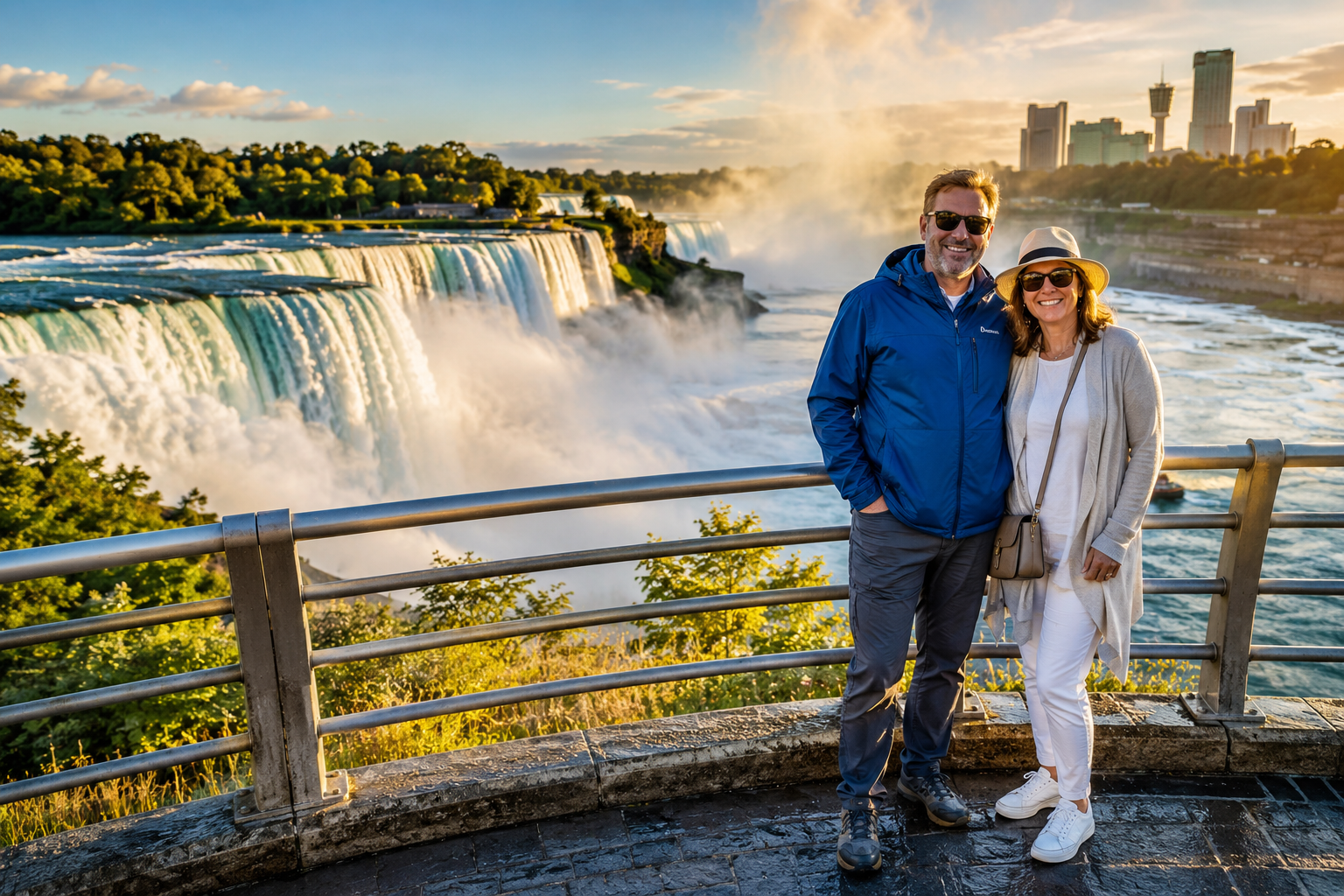
A well-packed bag turns a Toronto to Niagara day tour from a logistical challenge into a seamless, enjoyable experience. The core principle is simple: dress for the season, always account for mist and wet conditions near the falls, and keep the load light enough to move freely all day.
Actionable next steps before the trip:
- Check the 10-day weather forecast for both Toronto and Niagara Falls separately.
- Confirm what the chosen tour operator provides (ponchos, water, snacks) to avoid duplicating items.
- Use the season-specific checklist above to build a packing list the night before departure.
- Wear or carry waterproof footwear and a rain layer regardless of the forecast.
- Keep the daypack under 8 kg (18 lbs) — a lighter bag means a more enjoyable day.
Preparation done right means arriving at one of the world’s most spectacular natural landmarks ready to enjoy every moment, not scrambling for a poncho at a souvenir stand.
References
[1] What To Pack Toronto – https://ontarioweatherservice.com/guides/what-to-pack-toronto?utm_source=openai
[2] Toronto Packing List For Every Season Travel Tips – https://tripjive.com/toronto-packing-list-for-every-season-travel-tips/?utm_source=openai
[3] What To Wear To Niagara Falls – https://www.backpackingbella.com/what-to-wear-to-niagara-falls/?utm_source=openai
[4] Toronto – https://unitedtravels.ca/travel-guides/toronto?utm_source=openai
[5] plantrip – https://plantrip.io/packing-list/20472?utm_source=openai


